
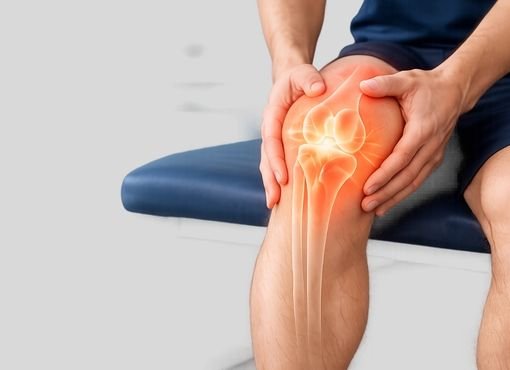
Knee Pain Treatment in Kalyan
Knee pain can affect walking, climbing stairs, standing, exercising, and other everyday activities. It may develop due to injury, overuse, muscle weakness, age-related joint changes, or conditions affecting the muscles and structures around the knee.
At ADP Physiotherapy, Knee Pain Treatment in Kalyan focuses on understanding the cause of movement difficulties and creating a personalized physiotherapy program according to the patient’s condition and functional needs. Treatment may include mobility exercises, strengthening, balance training, movement correction, and activity guidance.
Our goal is to help improve knee mobility, strength, stability, and overall function through a structured physiotherapy approach.
Knee Pain Treatment in Kalyan Knee Pain Treatment in Kalyan Knee Pain Treatment in Kalyan Knee Pain Treatment in Kalyan Knee Pain Treatment in Kalyan Knee Pain Treatment in Kalyan
Common Causes of Knee Pain
Knee pain can develop for different reasons, and identifying the possible cause is important before planning physiotherapy. It may be related to an injury, repetitive strain, muscle weakness, reduced joint mobility, or age-related changes. A physiotherapy assessment can help identify movement and strength problems that may be contributing to symptoms.
Osteoarthritis – Age-related changes in the knee joint may lead to stiffness, reduced mobility, and difficulty with everyday activities.
Ligament Injuries – ACL, PCL, MCL, or other ligament injuries can affect knee stability and movement.
Meniscus Injuries – Injury or irritation of the meniscus may affect knee movement and function.
Muscle Weakness – Weakness in the quadriceps, hamstrings, hips, or surrounding muscles can influence knee control during movement.
Sports & Overuse Injuries – Running, jumping, repetitive activities, or sudden changes in physical activity can place additional stress on the knee.
Post-Injury Stiffness – Reduced activity after an injury can sometimes lead to limited knee movement, weakness, and difficulty returning to normal activities.
Knee Pain Treatment in Kalyan Knee Pain Treatment in Kalyan Knee Pain Treatment in Kalyan Knee Pain Treatment in Kalyan Knee Pain Treatment in Kalyan
Symptoms That May Accompany Knee Pain
Knee problems can affect people differently depending on the underlying condition, activity level, and severity of the problem. Along with knee pain, some people may experience stiffness, weakness, reduced movement, or difficulty performing everyday activities.
Knee Stiffness – Difficulty bending or straightening the knee comfortably.
Difficulty Walking – Knee problems may affect normal walking patterns or make longer distances challenging.
Difficulty Climbing Stairs – Going up or down stairs may become uncomfortable due to reduced strength or mobility.
Muscle Weakness – Weakness around the knee and hip can affect stability and movement control.
Reduced Range of Motion – The knee may not bend or straighten as freely as usual.
Difficulty With Daily Activities – Standing from a chair, squatting, exercising, or performing routine activities may become more challenging.
How Is Knee Pain Assessed?
Before starting Knee Pain Treatment in Kalyan, a physiotherapy assessment helps understand how the knee problem is affecting movement and daily activities. The physiotherapist may assess knee mobility, muscle strength, flexibility, balance, walking pattern, and functional movements. Your symptoms, previous injuries, activity level, and medical history may also be considered. Based on the assessment, an individualized physiotherapy plan can be developed according to your specific needs.
Physiotherapy Treatment for Knee Pain
Physiotherapy for knee pain focuses on improving movement, strength, stability, and overall knee function. Treatment is selected according to the assessment findings rather than using the same exercises for every patient. A rehabilitation program may include mobility exercises, progressive strengthening, flexibility exercises, balance training, and movement correction. The program is gradually progressed according to the patient’s response and functional goals.
Exercises for Knee Pain Rehabilitation
Exercises are an important part of Knee Pain Treatment in Kalyan because they can help improve muscle strength, joint mobility, and movement control. The type of exercise depends on the cause of knee pain, current strength, mobility, and individual functional needs. A physiotherapist may gradually introduce exercises for the quadriceps, hamstrings, hips, and other supporting muscles. Exercises should be performed with proper technique and progressed according to individual response.
Strengthening and Mobility Training
Strengthening exercises focus on improving the muscles that support and control the knee during walking and everyday activities. Mobility exercises may be used to improve comfortable knee bending and straightening when movement is restricted. As the patient progresses, exercises can become more functional and may include balance, standing, walking, or step-based activities. The rehabilitation program is adjusted according to progress rather than following the same routine for every patient.
Balance and Gait Training for Knee Pain
Knee pain and muscle weakness can sometimes affect balance and change the way a person walks. Gait training focuses on improving walking patterns, weight distribution, and movement control during everyday activities. Balance exercises may also be included to improve stability and confidence while standing or walking. The exercises are selected and progressed according to the patient’s mobility, strength, and individual needs.
Activity and Lifestyle Guidance
Daily activities can influence how the knee responds during recovery. A physiotherapist may provide guidance on walking, stair climbing, sitting and standing, exercise, and other activities based on the patient’s condition. Patients may also be advised on gradually increasing activity rather than suddenly returning to demanding movements. Appropriate activity modification can support rehabilitation while strength and mobility continue to improve.
Why Choose ADP Physiotherapy for Knee Pain Treatment?
At ADP Physiotherapy, Knee Pain Treatment in Kalyan is planned according to the patient’s symptoms, mobility, strength, activity level, and functional goals. Instead of following the same exercise program for everyone, rehabilitation is personalized according to assessment findings and individual progress.
Personalized Assessment – Knee movement, strength, flexibility, balance, and functional difficulties are assessed before planning rehabilitation.
Individual Exercise Program – Exercises are selected according to the patient’s condition and current physical abilities.
Strength & Mobility Training – Rehabilitation focuses on improving knee movement and strengthening the muscles that support the knee.
Balance & Gait Training – Appropriate exercises may be included to improve stability, walking patterns, and movement control.
Functional Rehabilitation – Treatment focuses on activities such as walking, standing, stair climbing, and other everyday movements.
Progressive Rehabilitation – Exercises are gradually modified and progressed according to improvement and individual response.
When Should You Consult a Physiotherapist for Knee Pain?
Consider a physiotherapy assessment if knee pain is repeatedly affecting your walking, stair climbing, exercise, or everyday activities. Persistent stiffness, reduced knee movement, muscle weakness, difficulty standing from a chair, or changes in your walking pattern may also benefit from assessment. If symptoms started after an injury or are becoming progressively worse, appropriate medical evaluation may be needed before or alongside physiotherapy. Early assessment can help identify movement limitations and guide a suitable rehabilitation plan.
How Long Does Knee Pain Physiotherapy Take?
The duration of Knee Pain Treatment in Kalyan varies depending on the underlying condition, severity of symptoms, strength, mobility, activity level, and individual response to rehabilitation. Some patients may notice functional improvement within a few weeks, while longer-standing conditions may require a more gradual rehabilitation program. Progress is assessed regularly, and exercises can be modified as strength, mobility, and function improve.
Home Exercise Program for Knee Pain
A personalized home exercise program can support the progress made during physiotherapy sessions. Depending on the assessment, exercises may focus on knee mobility, quadriceps and hip strengthening, flexibility, balance, and movement control. Patients should follow the recommended technique, repetitions, and frequency rather than increasing exercises on their own. The program can be modified as strength and knee function improve.
Tips to Support Knee Health
Regular movement and appropriate strengthening can help maintain knee function during and after rehabilitation. Try to increase physical activity gradually, use proper exercise technique, and avoid sudden increases in high-impact activities. Maintaining strength in the thigh and hip muscles can also support better lower-limb control. If an activity repeatedly aggravates your symptoms, discuss it with your physiotherapist so that suitable modifications can be made.
Frequently Asked Questions About Knee Pain Treatment
Physiotherapy can help address movement limitations, muscle weakness, reduced flexibility, balance problems, and other functional difficulties associated with many knee conditions. Treatment depends on the underlying cause and individual assessment.
Exercises may include knee mobility, quadriceps and hamstring strengthening, hip strengthening, flexibility, balance, and functional exercises. The exact program should be selected according to the patient’s condition and physical abilities.
Walking may be appropriate for many people, but the amount and intensity depend on the cause and severity of the knee problem. If walking repeatedly increases symptoms or affects your walking pattern, a physiotherapy assessment can help determine suitable activity levels.
There is no fixed number of sessions. The duration depends on the cause of knee pain, severity, strength, mobility, activity level, and response to rehabilitation.
Knee Pain Treatment in Kalyan – ADP Physiotherapy
If knee pain is affecting your walking, stair climbing, exercise, or everyday activities, a structured physiotherapy program can help address movement and strength limitations. At ADP Physiotherapy, Knee Pain Treatment in Kalyan is planned according to your symptoms, physical assessment, activity level, and individual rehabilitation goals.
Our approach focuses on improving knee mobility, muscle strength, balance, walking patterns, and functional movement through personalized physiotherapy and progressive exercise.
Book an Appointment for Knee Pain Physiotherapy
ADP Physiotherapy
📞 Contact: 9730631323
📍 Address: Shop No. 16, Ground Floor, Mata Parvati Apartment, Opp. Yogeshwar Tower, Katemanivali Naka, Kalyan East, Maharashtra – 421306
🌐 Website: adpphysiotherapy.com